【閱讀心得】Hotel du Lac
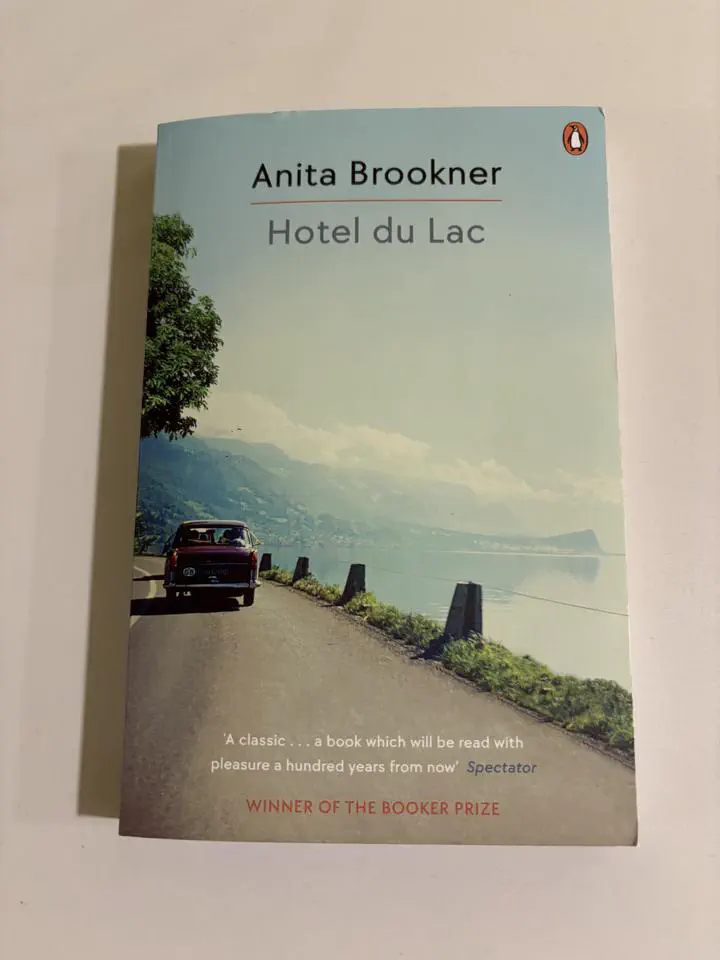 hotel_du_lac.jpeg
作者:Anita Brookner
四月,我第一次造訪洛桑Books Books Books書店時隨手買下的這本小說,意外成了我近期的最愛。它讓我想起第一次看《The Great Gatsby》的感動 — 所謂的理想,在這殘酷的現實世界裡具有什麼價值。
故事描述戀愛小說家Edith犯了一個「錯誤」後,被朋友強行安排送往瑞士萊芒湖畔的Hotel du Lac進行反省。在這裡,Edith認識了低調抑鬱的Bonneuil夫人、雍容華貴的Pusey夫人與她被寵壞的女兒Jennifer、憤世嫉俗的Monica女士,以及機敏世故的Neville先生。在與他們的往來中,Edith將重新審視自己,並最終拾回勇氣回去面對人生。
The Hotel du Lac was a dignified building, a house of repute, a traditional establishment, used to welcoming the prudent, the well-to-do, the retired, the self-effacing, the respected patrons of an earlier era.
故事前半在描述Hotel du Lac房客的性格與故事,透過與他們對話,讀者也能逐漸感受到Edith是個什麼樣的人:她習於揣測、疏遠他人、隱藏自己、有自己的理想與生活步調。故事後半則逐漸揭露Edith個人的過去,從Edith開始認識幾位房客,與他們一同生活後,讀者將看到Edith試圖改變,以及帶她來到這裡的「錯誤」究竟是什麼。
And maybe I shall not go home, she thought, her heart breaking with sorrow. And beneath the sorrow she felt vividly unsafe, as she did when she saw that the plot of a novel would finally resolve itself, and how this might be brought about.
Sitting alone in the silence, she bowed her head and passed scrupulously in review the events that had brought her, out of season, to the Hotel du Lac.
書中鮮少重大的事件,劇情主要是以角色的對話以及Edith個人的反思進行。必須承認對一個非英語母語的人,閱讀這本書有些許難度。作者Anita Brookner用詞洗練,為了描繪一個人物複雜的心境,她會用少見的詞彙、句法來刻畫最細微的場景。她筆下的角色機智,對話富含寓意,時不時還帶有外國人不易察覺的「英式幽默」。儘管閱讀上有些吃力,但在理解角色動機後的回饋感也非常真實。
Mr Neville, noting the minute alteration in her attention to him, leaned over the table.
‘You are wrong to think that you cannot live without love, Edith.’
‘No, I am not wrong, she said, slowly. ‘I cannot live without it. Oh, I do not mean that I go into a decline, develop odd symptoms, become a caricature. I mean something far more serious than that. I mean that I cannot live well without it. I cannot think or act or speak or write or even dream with any kind of energy in the absence of love. I feel excluded from the living world. I become cold, fish-like, immobile. I implode. My idea of absolute happiness is to sit in a hot garden all day, reading, or writing, utterly safe in the knowledge that the person I love will come home to me in the evening. Every evening.’
‘You are a romantic, Edith,’ repeated Mr Neville, with a smile.
‘It is you who are wrong,’ she replied. ‘I have been listening to that particular accusation for most of my life. I am not a romantic. I am a domestic animal. I do not sigh and yearn for extravagant displays of passion, for the grand affair, the world well lost for love. I know all that, and know that it leaves you lonely. No, what I crave is the simplicity of routine. An evening walk, arm in arm, in fine weather. A game of cards. Time for idle talk. Preparing a meal together.’
‘Putting the cat out?’ suggested Mr Neville.
Edith gave him a glance of pure dislike.
‘That’s better,’ he said.
故事最後,Neville給了Edith一個提案,一個誘人的選項。他看穿了Edith的軟弱與願望,希望她將能遠離孤獨的生活,獲得她所期盼的一切。
‘Yes, I know you think you know better than I do,’ he said, as her head shot up in alarm. ‘But you are wrong. You do not need more love. You need less. Love has not done you much good, Edith. Love has made you secretive, self-effacing, perhaps dishonest?’
She nodded.
‘Love has brought you to the Hotel du Lac, out of season, to sit with other woman, and talk about clothes. Is that what you want?’
‘No,’ she said, ‘No.’
無意劇透,但我很喜歡作者為Edith安排的結局,它象徵著我們始終能夠取回選擇自我的勇氣。
最後,引用書中Edith來到Hotel du Lac前曾對其經紀人Harold做出的精彩論述:
‘And what is the most potent myth of all?’ … ‘The tortoise and the hare,’ she pronounced. ‘People love this one, especially women. Now you will notice, Harold, that in my books it is the mouse-like unassuming girl who gets the hero, while the scornful temptress with whom he has had a stormy affair retreats battled from the fray, never to return. The tortoise wins every time. This is a lie, of course’ … ‘In real life, of course, it is the hare who wins. Every time. Look around you. And in any case it is my contention that Aesop was writing for the tortoise market. Axiomatically,’ she cried, her voice rising with enthusiasm. ‘Hares have no time to read. They are too busy winning the game. The propaganda goes all the other way, but only because it is the tortoise who is in need of consolation. like the meek who are going to inherit the earth,’ she added, with a brief smile.
Brookner在這裡刻劃出了兩種人,而這段論述直接貫穿了整本小說。
所謂的兔子,他們勇敢、富有、驕縱、自我中心。他們會在犯下過錯的隔天便能遺忘;他們會在傷害人後期待一句道歉能得到原諒;他們會穿著鞋踏進第一次來到的房裡,拿著酒杯搭話第一次見到的人。他們已經拋棄舊時的道德、古老的神話,他們選擇面對的是現實,他們渴望勝利所以總是獲得勝利。他們活在大人的世界。
而Edith,她恐懼、匱乏、卑微、受人奚落。她在那個空蕩的房間寫作;她在不得不出席的社交場合被人詢問適婚對象;她在清晨看著情人的車逐漸駛離,在假日守候著他的電話而不敢出門。她仍然相信矜持的美德、龜兔賽跑的童話,她選擇面對的是自己,她渴望真愛所以永遠在尋找真愛。她活在理想的世界。
兔子與烏龜,不過是兩種安身立命的姿態,並無優劣之別,這複雜的世界也絕非二分法。兔子用不回頭的姿態贏下了人生這場遊戲,活得坦蕩而痛快;烏龜則選擇在寂寞中審視自我,忠於靈魂而真實。我想起 Gatsby 夜晚獨自凝視的綠光;然而,在知道那綠光永遠無法觸及之時,人們還願意做回烏龜嗎?

Keng-Yu Chen (陳耕宇)
PhD Student
My research interests include theoretical aspects of cryptographic constructions, biometric authentication, functional encryption, and side-channel analysis.